Screen Printing vs DTF vs Embroidery: Which Is Right for Your Team?
If you’re ordering shirts, hats or jackets for a team, a crew or an event in Billings, the first question we get is almost always the same: should this be screen printed, DTF printed or embroidered? Each method is the right answer for a different job. Here is how we decide at Mosaic Threads, in plain language, so you can walk in knowing what to ask for.
The short answer
- Screen printing wins for larger runs of the same design on t-shirts and hoodies: lowest cost per piece, the softest and most durable print, bold colors.
- DTF (direct-to-film) printing wins for small orders, full-color artwork and photos, and jobs where every shirt has a different name or number.
- Embroidery wins for polos, hats, jackets and workwear where you want a premium, professional look that lasts for years of washing.
Screen printing: the workhorse for team and event shirts
Screen printing pushes ink through a mesh stencil, one screen per color. Setting up those screens takes time, which is why screen printing has a minimum order and gets cheaper the more shirts you print. Once the screens are made, each shirt is fast and inexpensive.
Choose screen printing when:
- You need 24 or more pieces of the same design.
- The artwork uses one to six solid colors (logos, text, mascots, simple graphics).
- Softness and durability matter: a screen print becomes part of the fabric and outlasts the shirt.
- You want specialty inks such as metallic, glow-in-the-dark or puff.
Trade-offs: not ideal for photographs or gradients with dozens of colors, and small quantities carry the full setup cost. Need the detail on how we handle multi-color work? See our page on 4-color process printing.
DTF printing: small runs, full color, no minimums
DTF prints your artwork onto a special film with white ink underneath, then heat-presses it onto the garment. There are no screens to make, so there is no setup cost and no color limit.
Choose DTF when:
- You need fewer than two dozen pieces, or even just one.
- The design is a photo, a full-color illustration or has fine gradients.
- Each piece is different: player names, numbers, department names, individual gifts.
- You are printing on tricky fabrics such as nylon, polyester blends or dark garments that would need many screen-print layers.
Trade-offs: the print sits on top of the fabric, so it is slightly less soft than a screen print and, over many washes, not quite as long-lived. Per-piece cost stays flat, so on large orders screen printing becomes cheaper. We wrote more about why DTF changed small-order printing in this guide.
Embroidery: the professional finish
Embroidery stitches your logo into the garment with thread. Nothing says “established business” quite like an embroidered polo or jacket, and it holds up to industrial washing better than any print.
Choose embroidery when:
- The garment is a polo, quarter-zip, jacket, hat, beanie or work shirt.
- You want a left-chest logo, a hat front or a sleeve mark rather than a large graphic.
- Durability and a premium look matter more than lowest cost.
Trade-offs: cost scales with stitch count, so large back designs get expensive; very fine text and photo-style gradients do not translate to thread. Thin, lightweight t-shirts can pucker under dense embroidery. Our embroidery page covers garments and pricing.
Side by side
| Factor | Screen print | DTF | Embroidery |
|---|---|---|---|
| Best quantity | 24+ | 1 to 50 | Any |
| Full color / photos | Limited | Yes | No |
| Individual names | Extra cost | Easy | Easy (hats, polos) |
| Feel | Softest | Soft, slight layer | Textured |
| Durability | Excellent | Good | Best |
| Cost per piece at volume | Lowest | Flat | Highest |
| Typical garments | Tees, hoodies | Tees, hoodies, jerseys, bags | Polos, hats, jackets, workwear |
Real examples from the shop
- Little League team, 60 shirts, two-color logo: screen print. Best price, bright color on cotton.
- Family reunion, 18 shirts with a photo collage: DTF. No minimum, full color, every shirt can carry a different name on the back.
- Construction crew polos and beanies: embroidery. Survives the job site and the wash, looks sharp on a bid walk.
- Fundraiser with an online store open for three weeks: DTF or screen print depending on what sells. This is exactly what our free custom online stores are built for.
Not sure? Send us the artwork
We’ll look at your design, quantity and garments and tell you which method gives the best result for the money, with a free mockup before you commit. Contact Mosaic Threads or stop by the shop at 2590 Holman Ave, Suite C in Billings.
Hockey Uniforms
HIT THE ICE IN STYLE!
Mosaic Threads creates custom hockey jerseys that bring your team together and make you stand out on the ice!
– Fully customizable designs
– Team names, player names & numbers
- – Bold colors and standout graphics
– Quality gear built for game day
Whether you’re playing for the championship or just for the love of the game, we’ve got your team covered!
DON’T JUST PLAY LIKE A TEAM. LOOK LIKE ONE!
Message Mosaic Threads to get your team suited up!
Custom Sublimated Patches
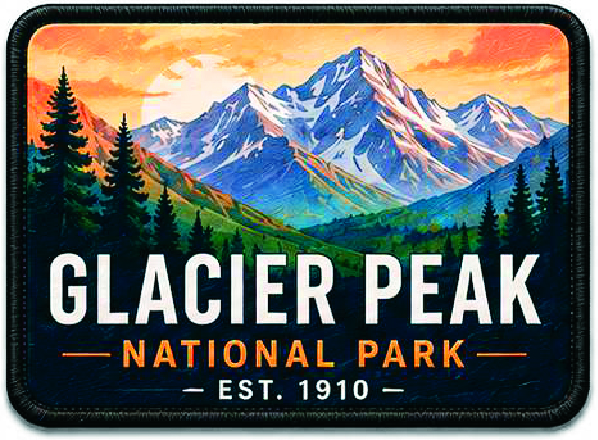
CUSTOM SUBLIMATED PATCHES — FULL-COLOR DETAIL WITHOUT THE LIMITS OF EMBROIDERY!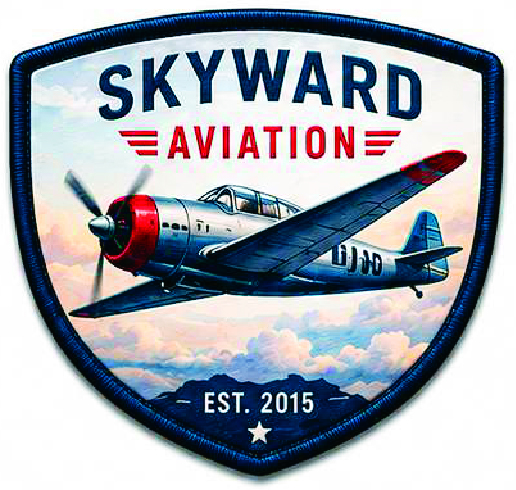
Have a detailed logo, colorful artwork, or a design with gradients and fine lines? Custom sublimated patches are a great way to turn that artwork into a durable, eye-catching patch.
🎨 Why choose sublimated patches?
✔️ Full-color designs
✔️ Fine details & small lettering
✔️ Gradients and shading
✔️ Photo-quality artwork
✔️ Lightweight and durable
✔️ Perfect for hats, jackets, bags, uniforms & team gear
Sublimated patches are perfect for business logos, sports teams, clubs, events, organizations, outdoor brands, racing teams, and custom merchandise.
📍 Looking for custom patches in Billings, Montana? Mosaic Threads can help turn your artwork into professional custom patches that make your brand stand out.
📩 Send us your logo or artwork for a FREE mockup!
Mosaic Threads | Custom Apparel & Promotional Products
#SublimatedPatches #CustomPatches #CustomPatchesBillings #BillingsMT #CustomApparel #CustomHats #BrandedApparel #TeamGear #BusinessBranding #PromotionalProducts #MosaicThreads
Screen Printing vs Embroidery
Screen Printing vs Embroidery — Which is Best for Your Team?
Understanding the Basics
When it comes to custom apparel, two of the most popular options are screen printing and embroidery. Each method has unique advantages depending on your needs. At Mosaic Threads in Billings, MT, we help businesses, schools, and sports teams choose the right approach for their custom apparel.
Screen Printing: Vibrant and Cost-Effective
Screen printing involves applying ink directly to the fabric using a mesh screen. It’s perfect for:
- Bulk orders of t-shirts or hoodies
- Designs with multiple colors
- Quick turnaround for events or team uniforms
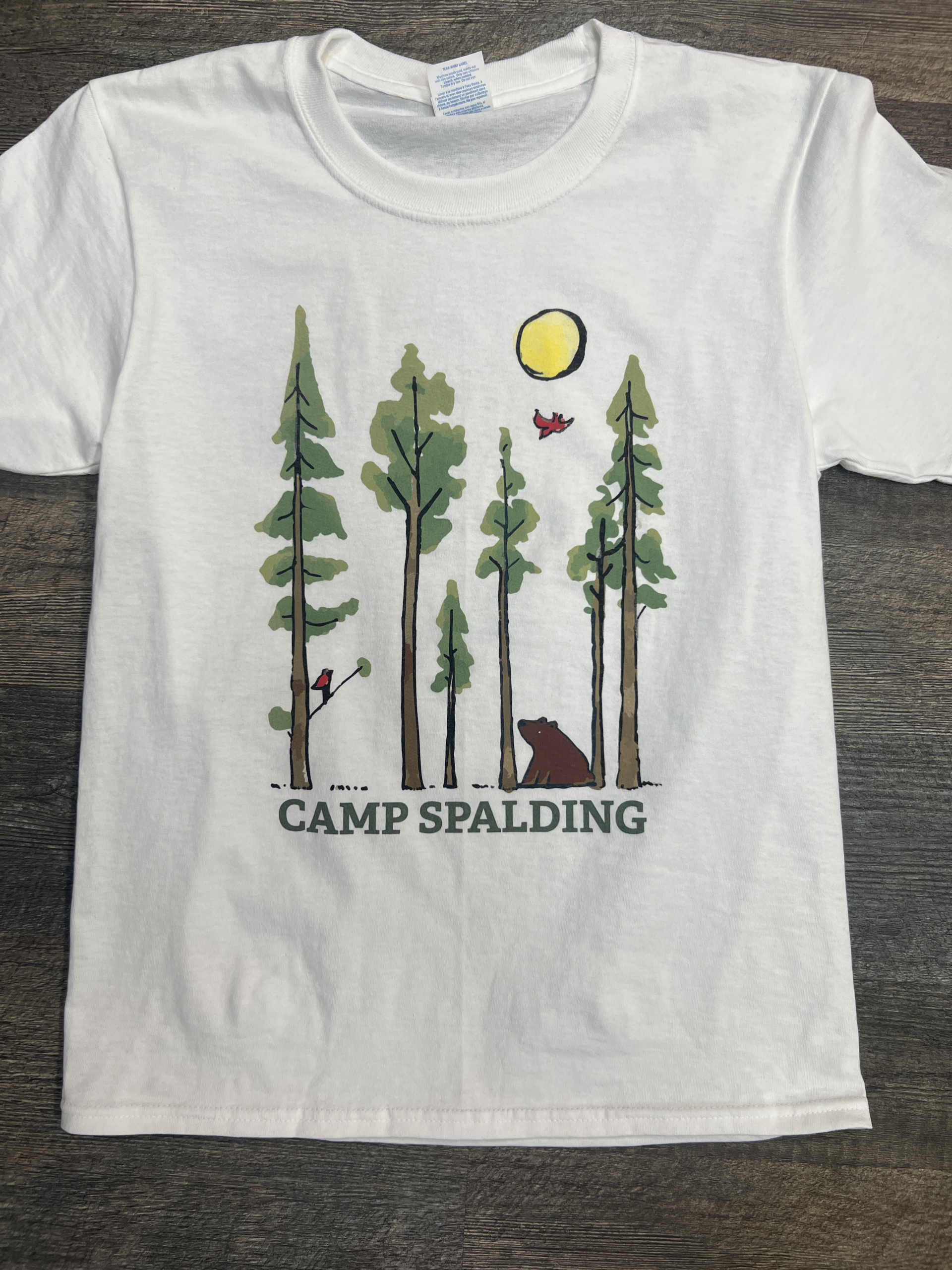
Brand your business with apparel
Embroidery: Professional and Durable
Embroidery uses threads stitched directly into the fabric, giving a premium and long-lasting look. It’s ideal for:
- Polo shirts and work uniforms
- Jackets, hats, and bags
- Logos that need a professional, tactile feel

Bulk custom apparel in Billings, MT
Choosing the Right Option for Your Team
Consider these factors:
- Budget: Screen printing is often cheaper for large runs.
- Design: Embroidery works best for simple logos and text.
- Durability: Embroidery lasts longer through washes.
- Garment Type: Hoodies, t-shirts, and jerseys are often screen printed; polos and jackets are embroidered.
At Mosaic Threads, we help Billings businesses and teams decide which method fits their project.
Ready to Create Custom Apparel?
Whether you choose screen printing or embroidery, Mosaic Threads can bring your team’s vision to life. Request a free mockup today and see how your logo looks on custom apparel.
Buy local keeps the money local
KEEP IT LOCAL
Keeping your business local keeps the money local. The revenue generated from local sales is utilized to support various organizations, including many different non-profit groups, educational institutions, youth leagues, churches, veterans’ organizations, and numerous others.
There are other benefits to buying local as well. Small, locally-based businesses make vital contributions to communities and neighborhoods; they account for the largest share of net new jobs generated each year, and provide some of the most stable employment opportunities in a community. “Buying local” also preserves the local economy.
